Copyright ©2020 Emerald Gardens Nursery
Here are the fruiting varieties we stock at Emerald Gardens Nursery.
We stock and grow ‘A’ grade, quality grafted fruit trees.

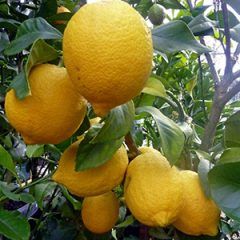
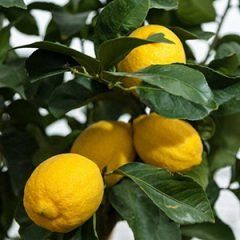
A traditional variety of lemon, it has a medium to thick skin and plenty of strong acid juice. The main crop is produced in autumn/winter, but will carry a number of crops throughout the year. Use the rind, cooking and juice.

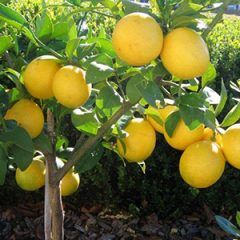
One of Australia’s favourite lemons, and usually what is sold in the supermarket. Lisbon produces a heavy crop of fruit from winter to early spring. The fruit is excellent quality with a thin skin, good juice and high acidity.

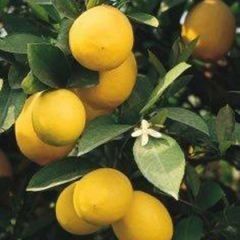
Meyer lemons are a very popular choice. They have a smaller growing habit, a thin skin and lots of juice. The flavour is a bit sweeter and it does not have the strong acidic taste. It produces numerous crops throughout the year and is ideal in pots also.

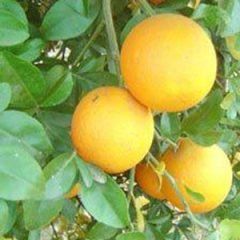
The lemonade looks like a lemon, however it has a much sweeter flavour, resembling that of traditional lemonade and can be eaten straight from the tree. Lemonades can be peeled and they contain segments like a mandarin. Great for refreshing juices and eating fresh.

This strain of lemon is very similar to Eureka, the fruit has a smooth skin and a great tangy taste like traditional lemons. Being thornless also makes this a popular choice

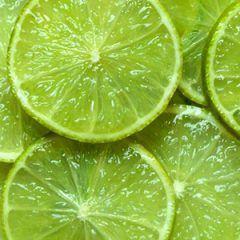
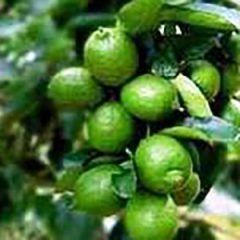
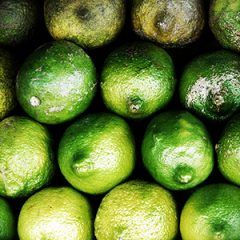
The Tahitian Lime is the most popular Lime tree. It produces delicious, juicy seedless limes that are often picked green when they are stronger in flavour, or they can be left to ripen on the tree into a pale-lemon colour. The rind is thin and the fruit has a smooth surface. A great variety of picking lime for fresh juice, cooking and with alcoholic drinks. The main harverst is late autumn to winter, although they may produce a summer crop. Great for gardens or pots.

Similar to the Tahitian lime, with a smaller stronger flavoured fruit with an acidic strong aroma, that also turns from green to a light yellow colour when fully ripe. The west Indian Lime has small thorns and is very susceptible to frosts when young. In frost prone areas, trees must be protected in winter for at least the first three years. Fruits intermittently through summer and autumn.

The Australian Lime has no thorns and heavy continuous cropping with the main crop in spring, then intermittent throughout the year. Fruit left on the tree with change flavour from the traditional lime taste to a sweeter flavour, and can be used in drinks or as a garnish. The flesh has an orange tinge. Fruit peels easily.

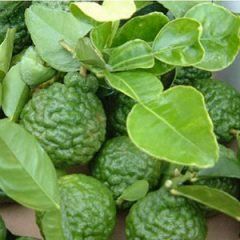
The Kaffir lime is predominately used for its unusual double lobed leaves. When chopped or crushed the leaf expels a wonderful aromatic citrus flavour that is used in many Asian dishes. The small knobbly fruit (looks like a small brain), has little juice and is only used for zesting. The tree is only small growing and is regularly pruned when you pick the leaves for cooking. Great for pots or planting in the garden.

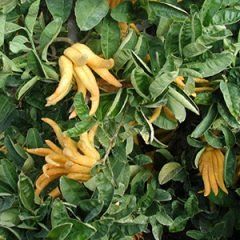
This is a curiosity Citron grown in Japan, China and South East Asia and has only recently been available in Australia, The fruit is split down its length into a number of finger-like sections resembling a human hand. The fruit is not juicy. Rind is yellow and the flesh is acid, normally being regarded as an ornamental, however the fruit may be candied. Uses include ornaments in religious ceremonies, perfuming rooms and clothing and is also known for its medicinal values. Fruit ripens late autumn to winter.

An Australian native which originated in the rainforests of Queensland which has only recently come into prodction. Produces an unusual finger shaped fruit that has individual vesicles inside that pop out when squeezed. Looks very similar to caviar. Has a strong limey taste. Great for drinks, useds as a garnish or mixed through salads. There are a number of varieties available.